







Search Results for: smallholder farm model

Exploring Peru's Cajamarca Coffee Region: Smallholder Specialty Coffee in the Andes and the Story of a COE Champion
Nestled in the embrace of the South American Andes, Peru may not be as high-profile as Colombia and Brazil, yet thanks to its volcanic soil, tropical mountain climate, and high-altitude growing conditions, it produces coffee beans of outstanding quality. Among its regions, the northern Cajamarca region has performed particularly impressively in recent years, earning renown not only for its smallholder intercropping model and sustainable farming practices, but also for its frequent appearances on the COE list. This article will take you deep into the Cajamarca growing region's geographical environment, historical context, and cultivation characteristics, and analyze the secrets behind the success of the 2023 COE champion farm, Yoniser Mego Silva. [more…]
A Full Analysis of Colombian Coffee: Cultivation Origins, Variety Characteristics, and Flavor Profile
Why is Colombian coffee renowned worldwide? Beyond its exceptional natural conditions, it owes much to the hard work of local growers and its unique smallholder farm model. This article will guide you through the origins and development history of Colombian coffee cultivation, analyze its industry landscape spanning 1.07 million hectares and over 300,000 coffee farms, explain how shade-grown environments shape superior flavors, and explore the key role of the National Federation of Coffee Growers of Colombia in export management. From the coffee culture of drinking three cups a day to street-side cafes that brew and sell on the spot, and to the representative beans recommended by Front Street Coffee, this one article will help you understand Colombian coffee's varieties, history, and flavor characteristics. [more…]
Ethiopian Coffee Export System and ECX Grading Mechanism: A Special Analysis of the Yirgacheffe Region
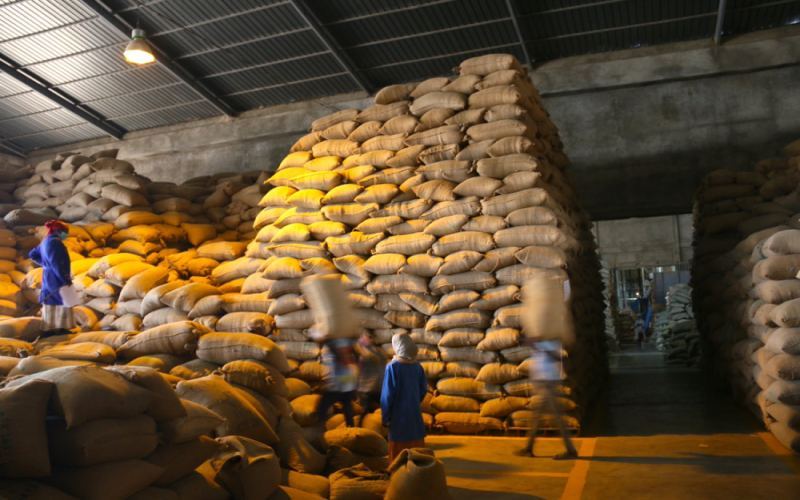
Ethiopia, as the birthplace of coffee, has an export system and grading structure that directly shape the flavor in the cups of coffee lovers worldwide. This article takes an in-depth look at the country's three major coffee export systems—ECX bidding, cooperatives, and single estates—revealing how ECX reshapes coffee trading through its pricing mechanisms, warehousing and logistics, and real-time information, while focusing on the ECX specialty grading standards of the Yirgacheffe region. It also introduces the operating models of the six major cooperative unions, and how well-known cooperatives such as Front Street Gediding and Front Street Woka stand out through their exquisite processing techniques. Whether you are a coffee professional or an enthusiast, you can understand from this the quality logic of Ethiopian coffee from origin to cup. [more…]
Ethiopia Red Cherry Project Wateema Washed Beans: A Complete Analysis of Flavor, Region, and Processing Method
Operation Cherrie Red is a quality improvement project initiated by the Dutch company Trabocca, aimed at incentivizing smallholder farmers in Ethiopia to produce high-quality coffee. This article focuses on the Wottuna Boltuma washed beans from Front Street Coffee's Ethiopian Operation Cherrie Red, providing a detailed introduction to the program's operating model, stringent selection criteria, regional characteristics, and cup flavor profile. From hand-picking fully ripe red cherries to requiring a cupping score of 88 or above for selection, Operation Cherrie Red returns all profits to participating farms. These washed beans originate from the Sidama region, are grown by 260 smallholder farmers at an elevation of 1,900 meters, and the volcanic clay soil nurtures jasmine and rose aromas, black tea and bergamot sweetness, and a clean mouthfeel, making them well worth exploring for coffee enthusiasts. [more…]

A Complete Flavor Analysis of Ethiopian Sidama Coffee: Washed vs. Natural Differences, Guji Hambela and Arsi Characteristics
Sidamo is an important specialty coffee region in the southern highlands of Ethiopia, known for its diverse flavors and natural-process beans. This article begins with a comparison between Sidamo and Yirgacheffe, sorting out the differences in aroma, acidity, and mouthfeel brought about by washed and natural processing; reviews the smallholder farming and cooperative model of Ethiopia's coffee industry; and further extends to the Guji Hambela sub-region and the story of how "Huakui" rose to fame, as well as the current development status of the West Arsi region. The article also includes Front Street's brewing parameter recommendations for Sidamo coffee, along with flavor descriptions of beans such as natural West Arsi and Huakui 5.0, making it suitable for enthusiasts who want a systematic understanding of Ethiopia's coffee regions. [more…]
Tracing the Origin of Yirgacheffe: A Full Analysis of the YCFCU Cooperative's Operational Model and Flavor Characteristics
Yirgacheffe is one of the flagship specialty coffee regions in Africa, yet many people are not clear about exactly where it is located, nor do they understand the farmer cooperative system behind it. This article will take an in-depth look at the background of the founding of the Yirgacheffe Coffee Farmers' Cooperative Union (YCFCU), its operating mechanism, and its impact on coffee quality. It will also introduce the division of the Yirgacheffe producing region, its flavor characteristics, and the unique charm of Front Street Coffee's Yirgacheffe washed and natural processing methods, giving you a comprehensive understanding of this classic coffee known as the "Queen of Coffee." [more…]
Where Is the Hometown of Coffee? A Complete Guide from Its Ethiopian Origins to Yirgacheffe Specialty Beans
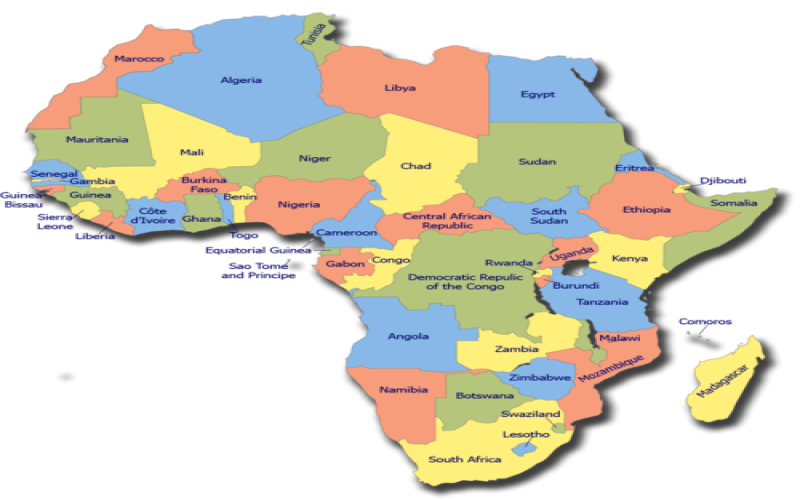
Where exactly in Africa does coffee originate? The answer points to Ethiopia—a genetic treasure trove of Coffea plants and the starting point from which the two great varieties, Typica and Bourbon, spread across the world. This article begins with the legend of the shepherd Kaldi, then explores Ethiopia's coffee ceremony, the etymological roots of the place name Kaffa, and an industry model centered on smallholder farming and cooperative processing. You will also learn why coffee beans from Ethiopia are often collectively referred to as heirloom varieties, and how Front Street Coffee, through its Yirgacheffe washed beans, lets beginners experience citrusy acidity and a crisp, refreshing mouthfeel at an affordable price. [more…]
Why Are Ethiopian Coffees Often Labeled Heirloom? From the Meaning of Heirloom to the Flavors of Huakui and Yirgacheffe, Explained in One Go
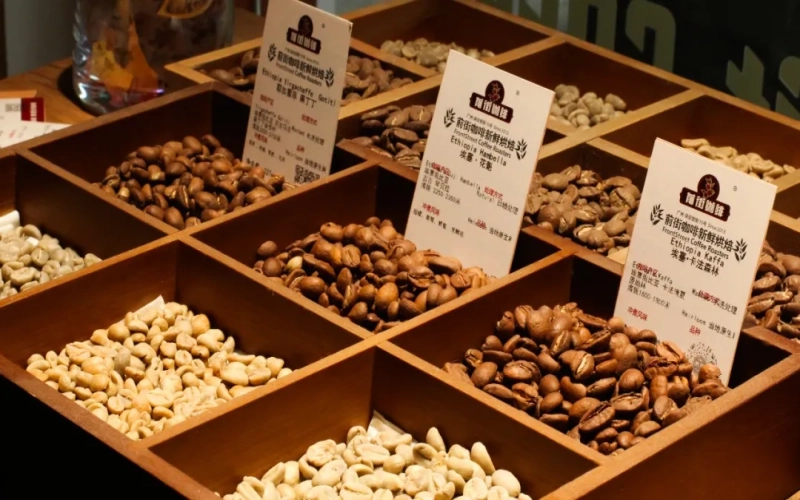
When selecting Ethiopian coffee beans, many people notice that the variety column almost always says "Heirloom/native species," and Front Street and other vendors are no exception. Why doesn't Ethiopian coffee label specific varieties like other producing countries? Is Heirloom actually Arabica? What does it have to do with the flavors of Huakui and Yirgacheffe? From the perspective of Front Street, this article first explains the definition and origin of Heirloom, then explains the practical reasons why it is difficult to subdivide varieties in Ethiopia, including the vast coffee gene pool, the model of wild harvesting and smallholder farming, and the convention of mixed purchasing at processing plants. Finally, it will also mention that Ethiopia does not only have Heirloom, and uses Huakui and Gudingding from the Front Street bean list as examples to let you experience the classic flavors of Guji and Yirgacheffe. [more…]
Colombian Specialty Coffee: The Advantages of Small-Scale Farms and the Flavor Innovation of Special Processing Methods
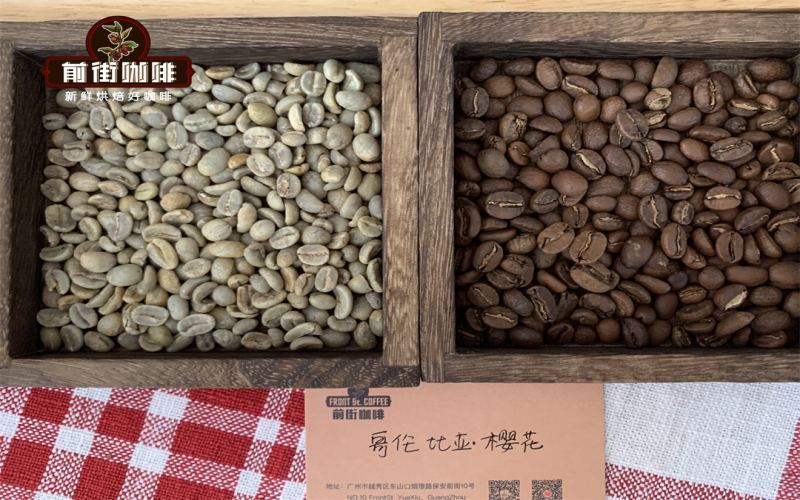
Colombia, with its exceptional geographical conditions, demonstrates strong capabilities in the specialty coffee sector. Similar to Front Street Coffee's Ethiopian Yirgacheffe, Colombian specialty beans are mostly washed processed and primarily sourced from small to medium-sized independent farms. Compared to Brazil's large-scale plantations, the smallholder model often delivers superior cupping performance. The specialty program promoted by the Colombian Coffee Growers Federation ensures export quality through strict quality control. In recent years, innovative processing methods such as rum barrel infusion and anaerobic fermentation have also emerged from Colombia, continuously injecting new ideas into the specialty coffee world. A recent new pour-over release from Front Street Coffee once again let me experience the captivating floral aromatics and potential of Colombian specialty coffee. [more…]

Flavor Analysis of Peru Cajamarca Coffee Region: Smallholder Farming in the Andes and Cup Performance
In western South America, Peru is bisected north to south by the Andes Mountains, whose complex terrain and diverse climates provide exceptional conditions for coffee cultivation. As an important coffee-producing region in Peru, Cajamarca's cultivation history can be traced back to the late 19th century, and today it is dominated by smallholder farmers, with coffee often intercropped with bananas, avocados, corn, and other crops. The coffee beans produced here typically carry flavors of caramel, cocoa, and berries, apples, plums, with medium acidity and good body. This article will guide you through Cajamarca's terroir conditions, variety structure, cultivation methods, and processing techniques, and explain where its signature flavors come from. Front Street Coffee will also combine the characteristics of the region to recommend Peruvian Cajamarca coffees worth trying. [more…]
Overview of African Coffee-Producing Countries: Flavor Profiles and Top Picks of Specialty Beans from Ethiopia to Tanzania
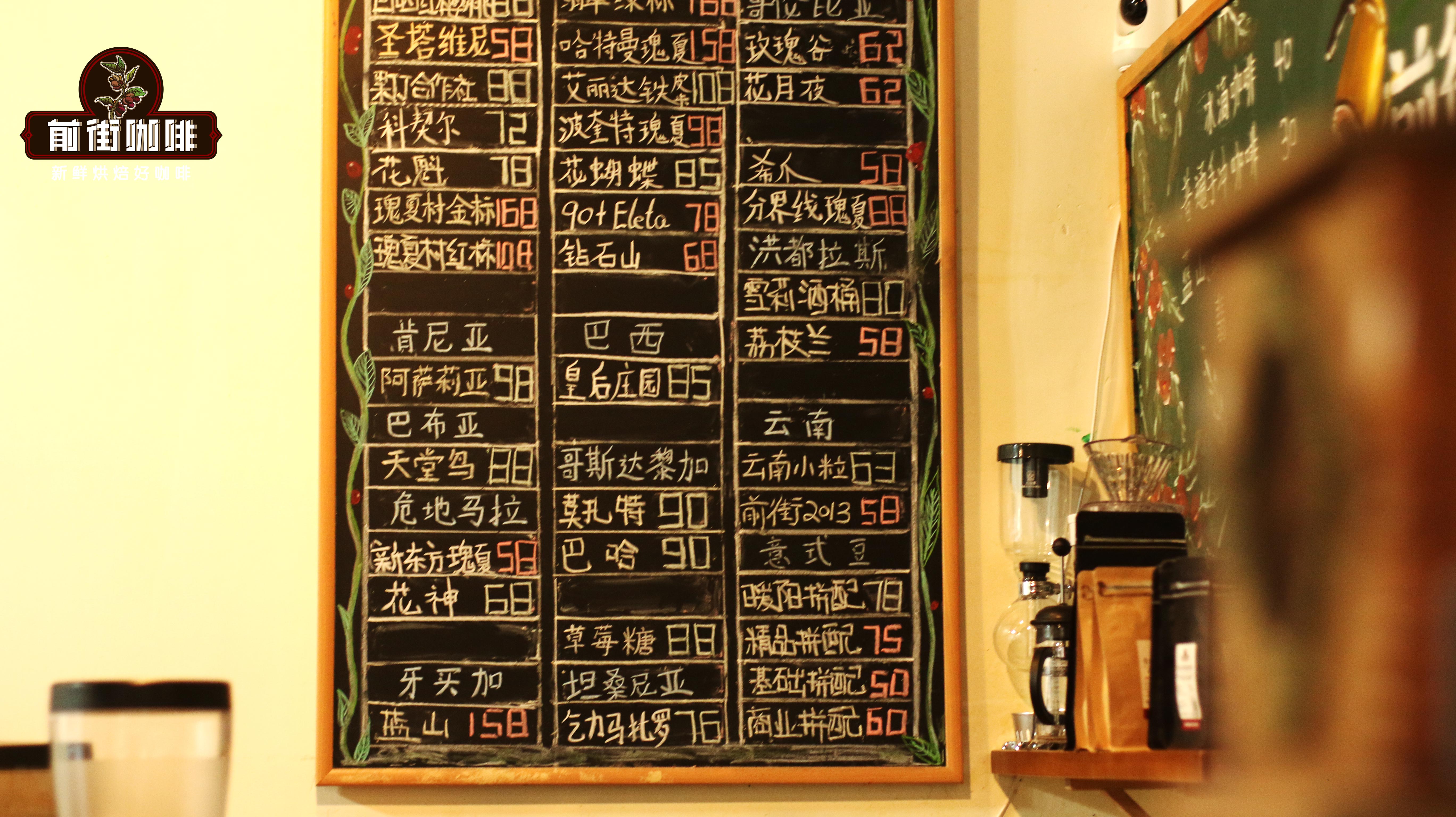
Africa is the continent of coffee's origin and the most distinctive flavor coordinate in the world of specialty coffee. From the floral and citrus notes of Ethiopia and the berry and dark plum notes of Kenya, to the washed Bourbon of Burundi and Rwanda and the cocoa sweetness of Tanzania's Kilimanjaro, this land has won over countless coffee lovers with its vibrant fruit acidity and lively aromas. Front Street Coffee will guide you through a systematic overview of the regional characteristics, cultivation models, processing methods, and signature beans of Africa's major coffee-producing countries, so you can gain a deeper understanding of the unique charm of African beans and the key points of tasting them. [more…]
Exploring Ethiopian Coffee: From the Legend of Coffee's Origin to the Flavor Codes of the Yirgacheffe and Sidamo Specialty Regions
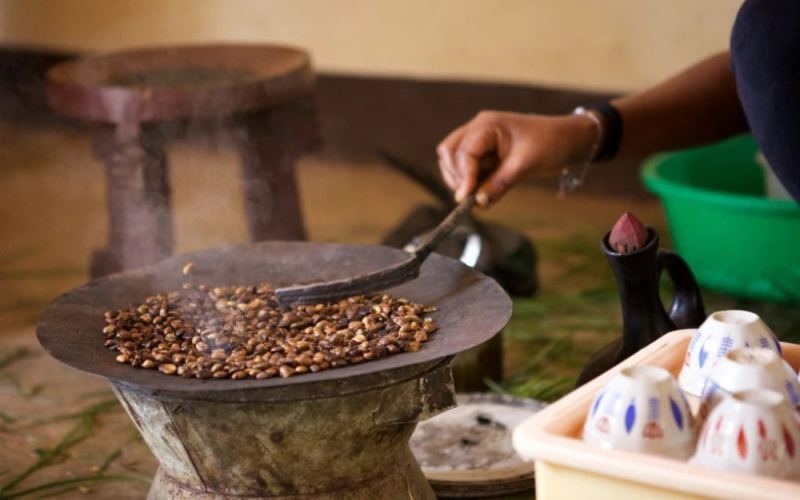
Ethiopia is the birthplace of coffee and a holy land in the hearts of coffee lovers worldwide. This article will take you into this African highland nation to explore its deep coffee culture, its time-honored coffee ceremony, its unique smallholder farming model, and the flavor secrets of two specialty regions, Yirgacheffe and Sidamo. From the legend of Kaldi the shepherd, to the trademark protection of the ECX exchange, and to the terroir in the cup of Front Street Hamasho 74158 coffee beans, this one article will help you understand the past and present of Ethiopian coffee. [more…]
Exploring Peruvian Coffee: The Flavor Code from the High Andes to Specialty Washed Geisha
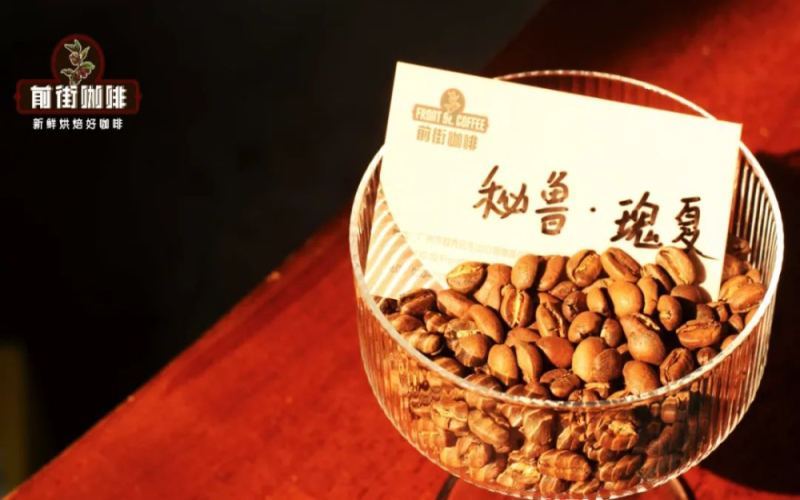
Although Peruvian coffee is not as widely known as Colombian or Brazilian coffee, it has rapidly risen in the international market thanks to its mild, balanced flavor and extremely high cleanliness. This "land of abundance" in western South America is home to the high-altitude growing regions of the Andes Mountains, as well as the world's largest organic coffee output. From a colonial-era ornamental garden plant to the smallholder cooperative model that emerged after land reform, Peruvian coffee has forged a unique path of development. This article will guide you through the growing regions, historical trajectory, grading system, and processing methods of Peruvian coffee, and share a cupping experience of a Cajamarca washed Geisha that Front Street Coffee recently acquired. [more…]
Colombia Huila Coffee Guide: Volcanic Farm Terroir, Caturra Variety, and Washed Processing Explained
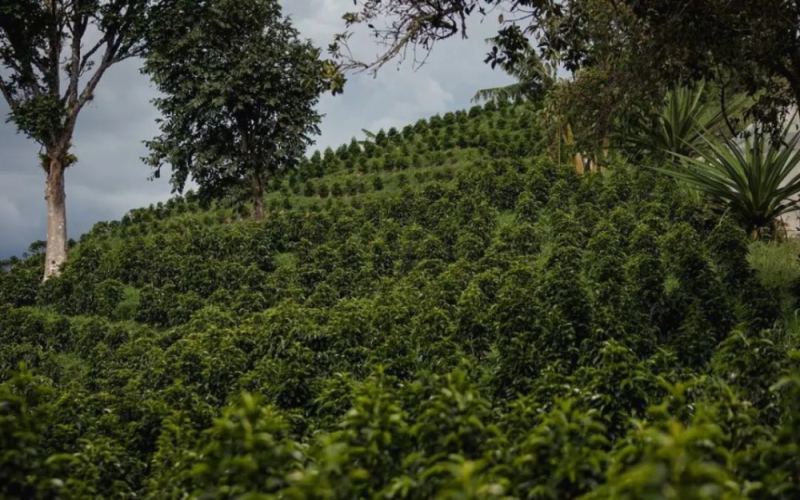
Colombia's Huila region, with the volcanic soils and high-altitude climate of the Andes Mountains, has become a star origin in the specialty coffee world. This article, from the bean-sourcing perspective of Front Street Coffee, systematically reviews Huila's geographical advantages, its smallholder farming model, the washed processing workflow, and the characteristics of the Caturra variety, and also shares in detail a KONO dripper pour-over recipe for a medium-dark roasted Huila everyday drinking coffee. Whether you want to understand the original flavors of Colombian coffee or are looking for a rich, full-bodied everyday cup, this article offers a complete reference. [more…]
Colombia Huila Finca Virginia Pink Bourbon Double Fermentation Flavor Analysis and Anaerobic Processing Method Exploration
The Red Bourbon double-fermented coffee produced by Finca Virginia in Colombia's Huila Department, with its complex flavors of wine-soaked cherries, dried figs, and longan honey, along with a full-bodied, red-wine-like mouthfeel, has become a highly anticipated micro-lot in the specialty coffee world. This article will provide an in-depth analysis of the flavor origins of this Front Street Coffee recommendation, explore the processing characteristics of double fermentation and anaerobic methods, and introduce the terroir conditions of the Planadas producing region in Huila Department along with the overall landscape of Colombia's coffee industry. [more…]
Kenyan Coffee Flavor Analysis: From K72 Washed Processing to Front Street Cherry Tomato Brewing Essentials
Kenyan coffee is renowned for its vibrant fruit acidity and full body, with flavor notes ranging from blackberry and grapefruit to smoked plum. This article systematically analyzes what makes Kenyan coffee unique, from production region classification and smallholder cooperative models to the K72-hour washed processing method, and introduces the "Little Tomato" coffee beans from the Asali processing station in the Thika region, now available at Front Street Coffee, including details on their origin, varieties, and flavor description. Finally, for brewing light-roasted Kenyan coffee, it shares advice on dripper selection, water temperature control, grind size assessment, and a three-pour schedule, helping coffee enthusiasts brew a clean, bright, perfectly balanced cup with balanced acidity and sweetness. [more…]
A Complete Guide to African Coffee Origins: Flavors and Signature Beans from Ethiopia, Kenya, and Beyond
Africa, as the continent where coffee originated, has given rise to coffee-producing regions with distinctly striking styles, among which Ethiopia and Kenya stand out in particular. This article systematically reviews the regional characteristics, variety systems, and processing methods of Africa's major coffee-producing countries—Ethiopia, Burundi, Kenya, Rwanda, and Tanzania—and introduces one by one the representative beans from each country currently sold by Front Street Coffee, covering popular lots such as Yirgacheffe, Sidamo, Gesha Village, and Kenya Little Tomato. Whether you prefer bright fruity acidity or rich fermented aromas, you can find your ideal choice on this African coffee map. [more…]
Kenyan Coffee Flavor Analysis: A Complete Guide from K72 Washed Processing to Front Street Cherry Tomato Pour-Over Parameters
Kenyan coffee is renowned for its vibrant fruity acidity and full body, with flavor layers ranging from blackberry and grapefruit to smoked plum, making it highly sought after by coffee enthusiasts. This article will begin with the flavor characteristics of Kenyan coffee, the smallholder cooperative farm model, and its unique grading system, with a focus on analyzing the K72-hour double washed processing method that creates its exceptional acidity and aroma. Meanwhile, the "Little Tomato" coffee beans from the Asali processing station in the Thika region, offered by Front Street Coffee, serve as a representative example with their smoked plum acidity and tomato-like fruity sweet-tartness. The article will also share Front Street's brewing tips for light-roasted Kenyan coffee, including dripper selection, water temperature control, grind size assessment, and the three-pour technique, helping you fully unlock the bright flavors of Kenyan beans. [more…]

The Development History of Colombian Coffee and Flavor Analysis of the Huila Region: From Historical Evolution to a Brewing Guide for the Sidra Variety
Colombia, as a major global producer of Arabica coffee, has seen its coffee industry undergo a unique journey from its introduction by missionaries to a transition toward smallholder models. This article begins with the historical context, tracing the origins of coffee cultivation in Colombia, the industry changes following the Thousand Days' War, and the background of the establishment of the FNC, while also providing an in-depth analysis of the terroir characteristics and flavor profile of the Huila region. It also introduces the Sidra variety on Front Street Coffee's bean list, detailing its varietal origins and brewing performance, and includes complete cold brew preparation steps, offering coffee enthusiasts a panoramic view from historical understanding to practical brewing. [more…]
A detailed explanation of Papua New Guinea coffee bean characteristics: Bird of Paradise variety, grading system, and flavor profile
Papua New Guinea's coffee industry has a unique history and multicultural background. From the Jamaican Blue Mountain Typica variety introduced during the colonial period to today's "coffee garden" model dominated by smallholder farmers, it has formed a distinctive regional character. This article will systematically review the core characteristics of Papua New Guinea coffee beans from the perspectives of historical origins, variety traits, green bean grading systems, and flavor performance. At the same time, Front Street Coffee will also combine its own sourcing experience to recommend Bird of Paradise coffee products worthy of attention for coffee lovers. [more…]